Divány
With these two unspoken rules, we make our sons’ lives more difficult

In her book *I Am Learning About Myself*, Zsuzsa F. Várkonyi draws attention to the gender differences that arise primarily as a result of upbringing. On the part of boys, one such example is the suppression of emotions, which hinders the child’s ability to understand themselves, to regulate their own behaviour, and to interpret the communication and behaviour of others.
One of the most powerful factors shaping human behaviour is the fear of exclusion. We are social beings; our survival depends on the relationships we maintain with those around us. The sense of belonging is so significant that it reinforces our desire to conform to others, and in fact can easily take precedence over our efforts towards self-knowledge and self-acceptance. This is not entirely surprising, as the development of self-image is also greatly influenced by feedback from parents, in other words, a baby can only develop a positive self-image if, through their instinctive actions, they are able to attract their parents’ attention and elicit their love.
At the same time, we also know that, in most cases, an honest and positive assessment of ourselves explicitly facilitates (if not actually precedes) others’ acceptance of us, their openness towards us and our ability to connect with them – in other words, our integration. However, the skills and abilities that facilitate a sense of belonging (communication, empathy, camaraderie, insight into human nature) are, however, closely linked to emotional intelligence, the value of which we tend to underestimate at a societal level and particularly in relation to gender. In the case of boys in particular – mistakenly – we tend to neglect the cultivation of this aspect of personality development from early childhood onwards. We will now outline two largely unspoken expectations that our sons are forced to face from childhood onwards, and which actually hinder their ability to form easy connections, gain the recognition of others and, consequently, integrate into society.
#1 Hang in there on your own!
Zsuzsa F. Várkonyi: I’m Learning on My Own In her book of the same title, she draws attention to the gender differences that arise primarily as a result of upbringing. On the part of men, one example of this is the suppression of emotions, which seeks to demonstrate a certain kind of masculinity, toughness and invulnerability. Very early on, boys are exposed to environmental influences that view their emotional expressions as a sign of weakness:
Society expects them to become stable men as soon as possible, and to this end, not to let their emotions get the better of them. „Suck it up!” – goes the unspoken command. Don’t show your feelings, don’t ask for help, don’t break down, because then they’ll mock you (children and adults alike), they’ll exclude you, they’ll defeat you! The good intentions behind this command are evident, but this approach oversimplifies human behaviour, thereby overlooking many factors that can ultimately render a young man striving for fulfilment emotionally unstable or even unwell, leading to even greater exclusion. In order to learn to manage our feelings with appropriate self-confidence, we must first recognise them, and this is a learning process. Without this, a child will be hindered in getting to know themselves, in regulating their behaviour, and also in understanding the communication and behaviour of others. Yet these skills are essential for inner stability, genuine integration and a lasting sense of belonging.
#2 Be knowledgeable!
That previous unspoken command may in itself give rise to the next expectation placed on men, namely: „Be competent!”. If one has to cope with something on one’s own, then one must resolve it without admitting it or asking for help. Any external feedback that suggests this is therefore perceived as criticism. It follows directly from this, however, that sensitivity to criticism is heightened. Of course, most of us do not welcome criticism; both women and men often spring into immediate defence or counter-attack when someone makes a judgement about us, but what each person perceives as criticism can vary greatly.
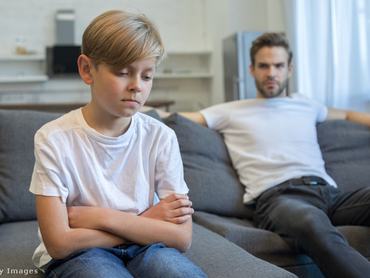
According to F. Várkonyi, it is generally observed that men perceive criticism in more areas and find it easier to do so (see: advice, suggestions, offers of help). All of this can once again be traced back to the need to fit in and feel a sense of belonging. If a boy learns as a child (primarily from adults) that he is only accepted if he does not show his feelings or admit his doubts, but instead solves every difficult situation on his own, then the comments of others can easily and unintentionally make him feel threatened. The result is usually emotional immaturity and isolation, which is a huge disadvantage in life. It will have a negative impact on a person’s inner world, their self-esteem, and indeed their success in life. Yet that is not what we are aiming for.
As adults, we set an example and introduce our children to social expectations. It is therefore worth bearing in mind what values we wish to pass on to our children, and in what order. The emotional education This must take precedence over expectations regarding behaviour management for both girls and boys. Our sons, too, must first recognise and acknowledge their emotions so that they can learn to express them in an acceptable manner and under appropriate circumstances, even if this may differ from how girls do so. This will undoubtedly contribute to the stability of their adult selves, the quality of their future relationships and their success in life. The two commands mentioned (whether spoken or unspoken), however, actually work against all of these things.
Originally published on: divany.hu, 12 August 2021.